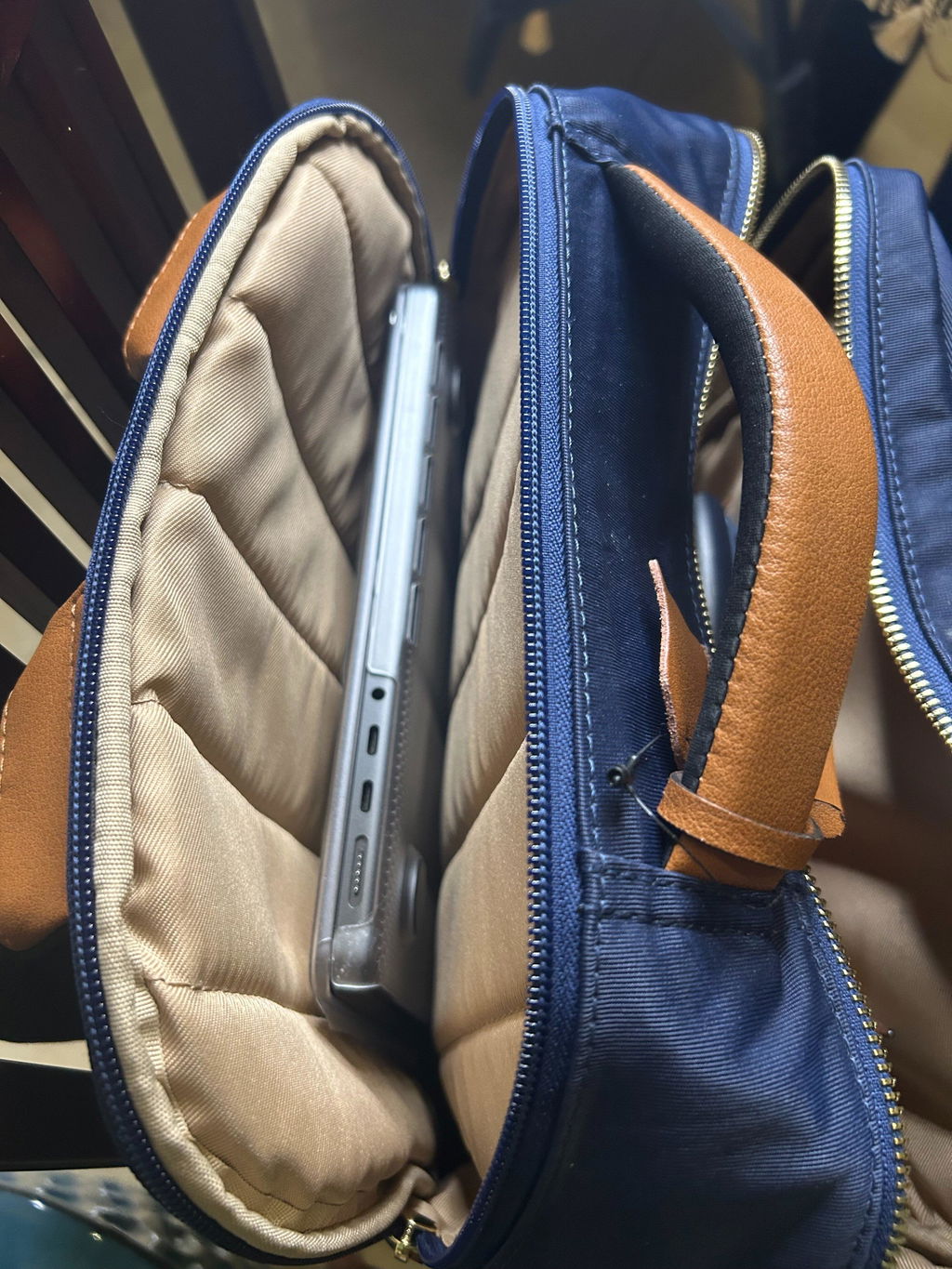
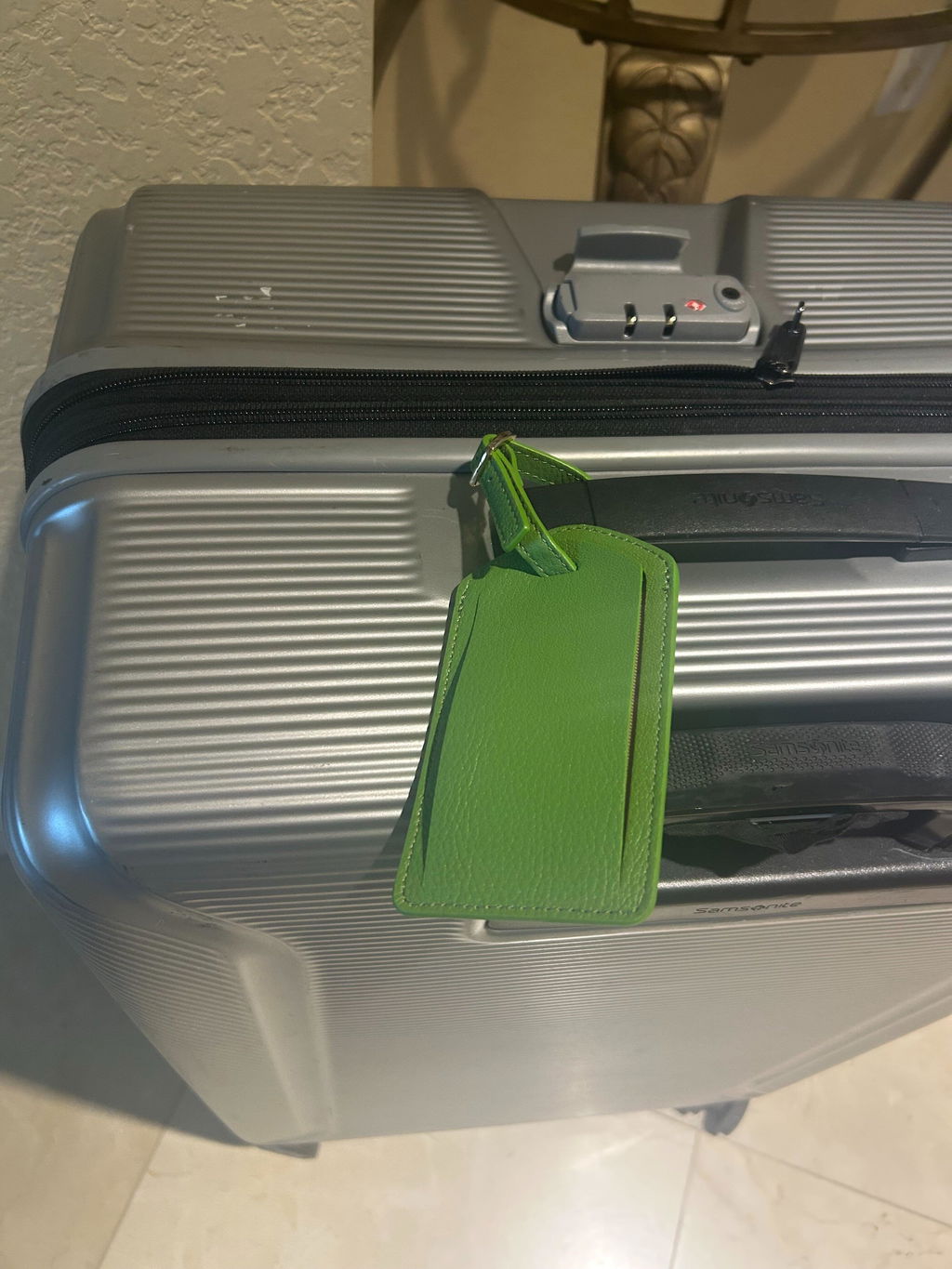
When choosing a handbag, backpack, work bag, or travel accessory, one of the most important decisions is the material.
Full-grain leather and synthetic leather can sometimes look surprisingly similar in photographs, but they are fundamentally different materials. They differ in how they are made, how they feel, how they wear over time, how much maintenance they require, and what they typically cost.
So is full-grain leather always better than synthetic leather?
Not necessarily for every person or every purpose.
If you value natural character, durability, craftsmanship, and a material that can develop a distinctive patina with use, full-grain leather has significant advantages.
If your priorities are lower cost, very light weight, uniform appearance, or avoiding animal-derived materials, a synthetic alternative may better fit your needs.
Understanding those differences can help you choose the right material rather than simply relying on marketing terms.
What Is Full-Grain Leather?
Full-grain leather comes from the outer grain portion of an animal hide and retains its natural grain surface rather than having that surface heavily sanded or corrected.
Because the grain remains intact, the leather retains much of its natural fiber structure, texture, and character.
Depending on the hide and finishing process, full-grain leather can be:
-
Smooth or pebbled
-
Soft or structured
-
Matte or polished
-
Rugged or refined
-
Oiled or waxed
-
Casual or professional
There isn't one single “full-grain leather look.”
What Is Synthetic Leather?
Synthetic leather is a broad category of manufactured materials designed to provide some of the appearance or characteristics of natural leather without using a traditional leather hide as the primary surface material.
Common synthetic alternatives include:
-
PU (polyurethane) leather
-
PVC-based synthetic leather
-
Microfiber leather
-
Other engineered leather alternatives
The term “vegan leather” is also frequently used for non-animal leather alternatives. Vegan leather isn't one specific material, so shoppers should check the actual material composition rather than relying on the name alone.
Synthetic materials vary significantly in quality. A well-engineered synthetic material should not automatically be grouped with the lowest-quality faux leather.
1. Durability and Long-Term Use
One of the major advantages of quality full-grain leather is durability.
The natural grain layer contains densely structured fibers that can perform very well under repeated use when the leather is appropriate for the product and the finished item is properly constructed.
This makes full-grain leather particularly suitable for frequently used products such as:
Synthetic leather can also perform well, but its lifespan depends greatly on its composition and construction.
Some synthetic surfaces may eventually experience abrasion, cracking, peeling, or separation as the material and surface coating age.
However, it is important not to overgeneralize. Not every full-grain leather product will outlast every synthetic product.
Construction, material quality, frequency of use, environment, and care all matter.

2. How the Materials Age
This is one of the clearest differences between natural full-grain leather and many synthetic alternatives.
Full-grain leather can change with use rather than simply trying to remain unchanged.
Depending on the particular leather, handling and wear may gradually create:
These changes are commonly described as patina.
For many leather owners, patina is desirable because the product becomes increasingly individual over time.
Synthetic leather generally ages differently.
Rather than developing the same type of natural leather patina, synthetic surfaces may retain a more consistent appearance for a period of time and eventually show wear through abrasion, cracking, peeling, fading, or other changes depending on the material.
3. Natural Variation vs. Uniform Appearance
Full-grain leather is a natural material.
That means two pieces of the same leather may have subtle differences in:
-
Grain
-
Texture
-
Color
-
Wrinkles
-
Natural markings
For some customers, these variations are one of the most appealing characteristics of leather.
Others prefer a highly consistent surface.
Synthetic materials can be manufactured with more uniform color, grain patterns, and texture, which may be an advantage when consistency is the priority.
Neither preference is wrong.
It depends on whether you value natural individuality or manufactured uniformity.
4. Feel and Character
Quality natural leather has a tactile character that can be difficult to reproduce exactly.
Depending on the type of leather, full-grain leather may feel:
-
Supple
-
Dense
-
Pebbled
-
Smooth
-
Waxy
-
Oiled
-
Firm
-
Soft
Some full-grain leathers also respond visibly to handling.
For example, pull-up leather can temporarily lighten when bent or stretched as oils and waxes move within the hide. Crazy Horse leather can develop scratches, tonal variation, and other marks that contribute to its rugged character.
Synthetic materials can also be engineered to feel very soft and leather-like, and higher-quality versions have improved considerably.
The major distinction is that natural leather's texture and character come from an actual hide, while synthetic materials are engineered to create their surface characteristics.

5. Weight
This is one area where full-grain leather isn't always the winner.
Leather can add substantial weight to a bag, particularly in larger backpacks, totes, briefcases, and travel bags.
For someone who prioritizes the lightest possible carry, a synthetic material—or another material such as nylon—may make more sense.
This is why material selection should begin with how the product will actually be used.
A beautiful full-grain leather briefcase may be ideal for someone who values professional appearance and leather character.
A lightweight nylon tote may be the better choice for someone carrying a laptop and travel essentials through airports all day.
6. Maintenance
Full-grain leather benefits from proper care.
Depending on the particular leather and finish, that can include:
-
Removing surface dirt
-
Protecting it from excessive moisture
-
Allowing wet leather to dry naturally
-
Occasional conditioning when appropriate
-
Proper storage away from prolonged heat and sunlight
Synthetic materials can sometimes require less specialized maintenance and may be easier to wipe clean.
That can be an advantage for customers who want a lower-maintenance product.
However, care requirements vary greatly among both natural and synthetic materials, so always follow the instructions for the specific product.
7. Water Resistance
Neither “leather” nor “synthetic leather” should automatically be interpreted as waterproof.
Some synthetic surfaces can provide good resistance to moisture.
Full-grain leather's water resistance varies depending on its tanning, oils, waxes, finish, and any protective treatment applied.
Certain waxed or heavily oiled leathers may resist light moisture better than other natural leathers, but full-grain leather should not automatically be considered waterproof.
For frequent exposure to rain or wet environments, the overall design and water resistance of the finished product matter more than a broad material label.
8. Price and Long-Term Value
Full-grain leather products often have a higher initial price.
Quality hides cost more, and working with natural leather requires appropriate material selection, cutting, handling, construction, and finishing.
Synthetic materials can often be manufactured more consistently and at lower cost.
But purchase price is only one way to measure value.
For a product you expect to use frequently, consider:
A well-made full-grain leather bag used hundreds of times can represent very good value even if its initial purchase price is higher.
At the same time, paying more doesn't automatically guarantee better quality.
Material, construction, design, and craftsmanship should be evaluated together.
9. Environmental Considerations Are More Complicated Than “Natural vs. Synthetic”
It is tempting to describe natural leather as environmentally friendly and synthetic leather as environmentally harmful—or make the opposite argument because leather comes from animals.
The reality is more complicated.
Leather production involves considerations related to livestock, tanning, water, chemicals, energy, transportation, and manufacturing.
Many synthetic leather alternatives rely partly or substantially on polymers and have their own manufacturing, durability, and end-of-life considerations.
Newer alternatives may also incorporate plant-derived materials, but the term “plant-based” does not necessarily mean the finished material contains no synthetic components.
For consumers concerned about environmental impact, it is better to examine the specific material, manufacturing process, expected lifespan, and frequency of replacement rather than relying on a single marketing label.
One practical consideration is longevity: keeping and using a well-made product for many years can reduce the need for frequent replacement.
10. What About Vegan Leather?
Vegan leather deserves separate consideration because the term describes an ethical/material preference rather than a specific manufacturing formula.
For customers who wish to avoid animal-derived leather, vegan alternatives provide an important option.
But “vegan leather” doesn't tell you exactly what the material is made from.
It may be PU, PVC, microfiber, a material incorporating plant-derived components, or another engineered alternative.
If material composition matters to you, look beyond the word vegan and check what the manufacturer actually uses.
Why Miami Leathers Focuses on Full-Grain Leather
Our preference for full-grain leather comes from our manufacturing history.
For more than 35 years, our manufacturing operation has focused primarily on natural leather goods, with extensive experience producing full-grain leather bags and accessories.
Working with natural leather requires knowledge of hide selection, cutting, grain and color variation, thickness, reinforcement, stitching, finishing, and construction.
Synthetic leather manufacturing can involve different material handling, adhesives, edge treatments, equipment, and production techniques.
Our factory has been built around natural leather-goods manufacturing rather than PU or vegan-leather production.
That's where our experience and expertise are strongest.
After decades of manufacturing premium leather goods for established brands, we created Miami Leathers to bring that same craftsmanship directly to our own customers.
Explore our Full-Grain Leather Travel Bags, Leather Backpacks, Leather Messenger Bags, and Leather Wallets to see how different full-grain leathers are used across work, travel, and everyday carry.
But We Don't Believe Every Bag Should Be Leather
This distinction is important.
Our expertise in full-grain leather doesn't mean we believe leather is the ideal material for every product.
For example, we use waxed canvas with full-grain leather trim throughout our Maxwell Collection because it provides a rugged work-and-travel look while reducing weight compared with an all-leather bag.
We also use nylon for certain totes and travel products because lightweight construction, flexibility, and easy maintenance are particularly valuable for those uses.
And we use a limited amount of split leather when it is appropriate for the design and price point of a particular product.
Our philosophy is simple:
Use the right material for the product—and tell the customer clearly what they're buying.
Full-Grain Leather vs. Synthetic Leather: Quick Comparison
| Feature |
Full-Grain Leather |
Synthetic Leather |
| Material |
Natural animal hide |
Manufactured material |
| Surface |
Natural grain |
Engineered surface |
| Variation |
Naturally varies |
Usually more uniform |
| Aging |
Can develop patina |
Typically wears differently rather than developing natural patina |
| Durability |
Can be excellent |
Varies considerably by material |
| Weight |
Often heavier |
Can be lighter |
| Maintenance |
Benefits from appropriate leather care |
Often relatively easy to clean |
| Water resistance |
Depends on leather and finish |
Depends on material and construction |
| Initial cost |
Generally higher |
Often lower |
| Animal-free |
No |
Yes, when genuinely vegan |
| Appearance |
Natural character |
Can provide highly consistent appearance |
These are general characteristics. Actual performance varies according to material quality, finish, product construction, use, and care.
Which Material Is Right for You?
Choose full-grain leather if you particularly value:
-
Natural materials
-
Long-term durability
-
Individual grain and texture
-
Patina and character
-
Traditional leather craftsmanship
-
A product that can become more distinctive with use
A synthetic alternative may be more appropriate if you prioritize:
-
Avoiding animal-derived materials
-
Lower initial cost
-
Very consistent color and texture
-
Potentially lighter weight
-
Easier maintenance for certain applications
And don't overlook other materials.
For work and travel, waxed canvas and nylon can sometimes be better choices than either leather or synthetic leather, depending on weight, weather, organization, and how the bag will be used.
Make the Choice Based on the Product, Not the Label
There is no need to declare one material universally superior to every other material.
Full-grain leather has qualities that are difficult to replicate: natural grain, distinctive character, durability, and the ability to develop patina with use.
Those characteristics are why it remains our preferred leather material at Miami Leathers.
But a good purchasing decision starts with a more practical question:
What material makes the most sense for this product and the way I plan to use it?
Understand the material. Examine the construction. Consider how you'll use the product. And buy from a seller willing to tell you clearly what you're getting.
That's a much better foundation for choosing a bag you'll enjoy using for years.
FAQ
Q: Is full-grain leather always better than synthetic leather?
A: No. Full-grain leather offers natural character, durability, and aging qualities, while synthetic materials may be preferable when low weight, uniform appearance, lower cost, or easier maintenance is the priority.
Q: Does full-grain leather last longer than synthetic leather?
A: Quality full-grain leather can last for many years with appropriate use and care, but lifespan also depends on construction, leather finish, usage, and maintenance. Material alone does not determine the life of a finished product.
Q: Is synthetic leather the same as vegan leather?
A: Many products marketed as vegan leather are made from synthetic materials such as polyurethane (PU), although “vegan leather” is a broad marketing term and can refer to different non-animal materials. Check the actual material composition rather than relying on the name alone.
Q: Which material is better for a lightweight bag?
A: Synthetic materials and nylon can often produce lighter bags than substantial full-grain leather. If minimizing weight is a priority, a well-designed non-leather bag may be the better choice.
Continue Learning
Full-Grain Leather 101: Understanding the Basics
Learn how full-grain leather is made and what makes it different.
Full-Grain Leather vs. Other Types of Leather
Compare full-grain, top-grain, split, bonded, PU, and vegan leather.
Full-Grain Leather: Why It's Worth the Investment
Learn why material quality, construction, durability, and cost per use matter.
Identifying Genuine Full-Grain Leather: Tips for Buyers
Learn how to evaluate leather claims without relying on unreliable home tests.
Caring for Your Full-Grain Leather
Learn how to clean, condition, protect, and store full-grain leather products.