Full-Grain Leather: Why It’s Worth the Investment
Full-grain leather products often cost more than bags and accessories made from lower-cost leather or synthetic materials. That naturally raises an important question:
Is full-grain leather really worth the investment?
For many customers, the answer comes down to more than appearance. Full-grain leather is valued for its strong natural fiber structure, durability, distinctive character, and the way it can change beautifully with use.
A well-made full-grain leather bag or wallet isn't necessarily the least expensive option at the time of purchase. But when quality materials, good construction, practical design, and proper care come together, it can provide years of use while developing a character uniquely its own.
At Miami Leathers, full-grain leather is especially important to us because our manufacturing background has been built around leather goods for more than 35 years.

1. Full-Grain Leather Retains the Natural Grain
Full-grain leather comes from the outer portion of the hide and retains its natural grain surface rather than having that surface heavily sanded or corrected.
This matters because the grain layer contains a dense network of natural fibers that contributes to the leather's strength and character.
It also means full-grain leather doesn't always look perfectly uniform.
Depending on the hide and finish, you may see:
- Natural grain variations
- Wrinkles and texture
- Subtle differences in color
- Small natural markings
- Variations from one piece of leather to another
Rather than trying to make every hide look identical, full-grain leather allows more of the natural material to remain visible.
For many leather owners, that's part of its appeal.
2. Durability Is One of Its Greatest Advantages
One of the strongest reasons to choose full-grain leather is durability.
Because the natural grain layer remains intact, quality full-grain leather can withstand repeated use very well when the leather, construction, and product design are appropriate for the application.
That's particularly valuable for products that are handled frequently, such as:
- Work bags
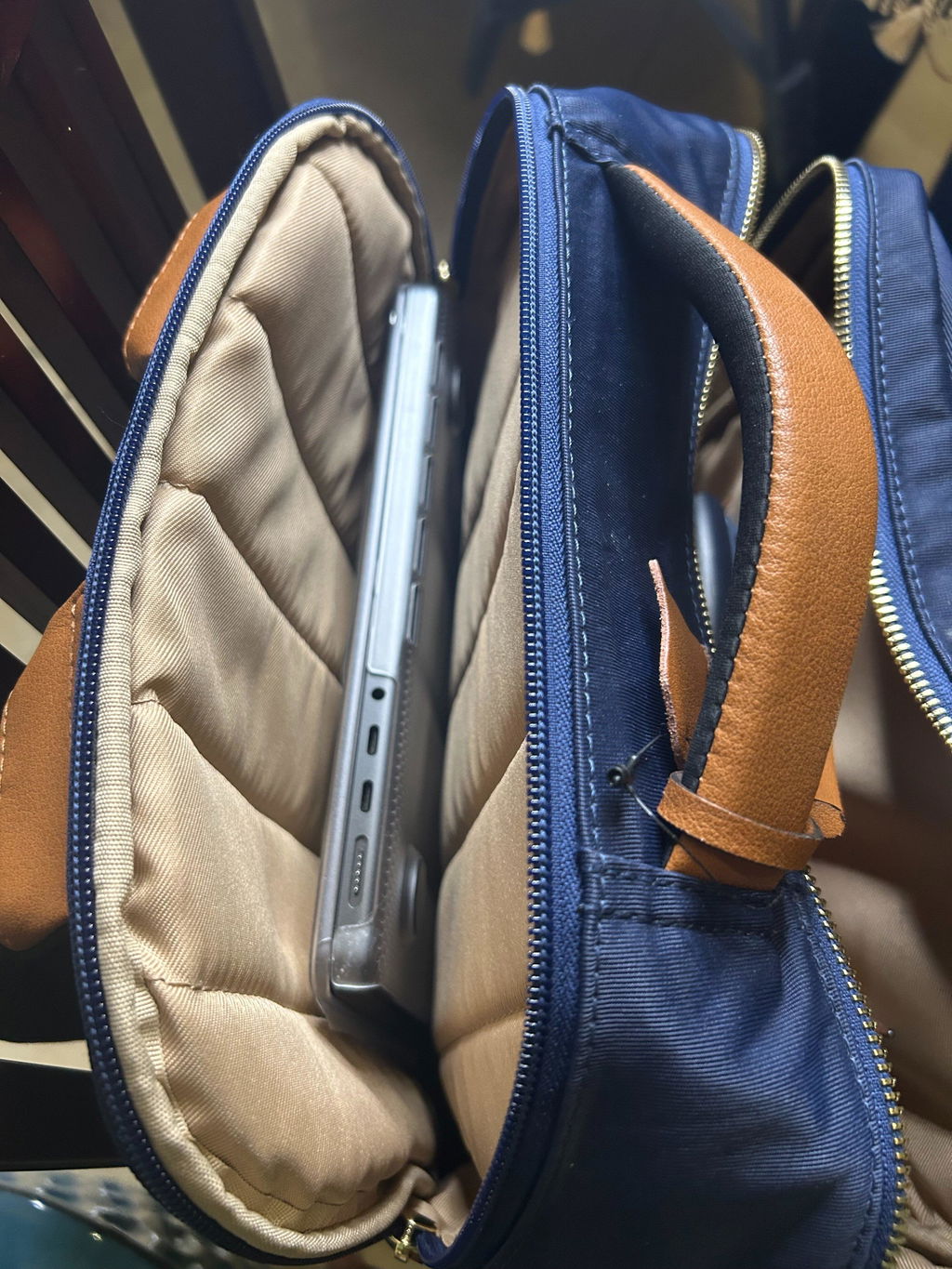
- Backpacks
- Messenger bags
- Travel bags
- Wallets
- Passport holders
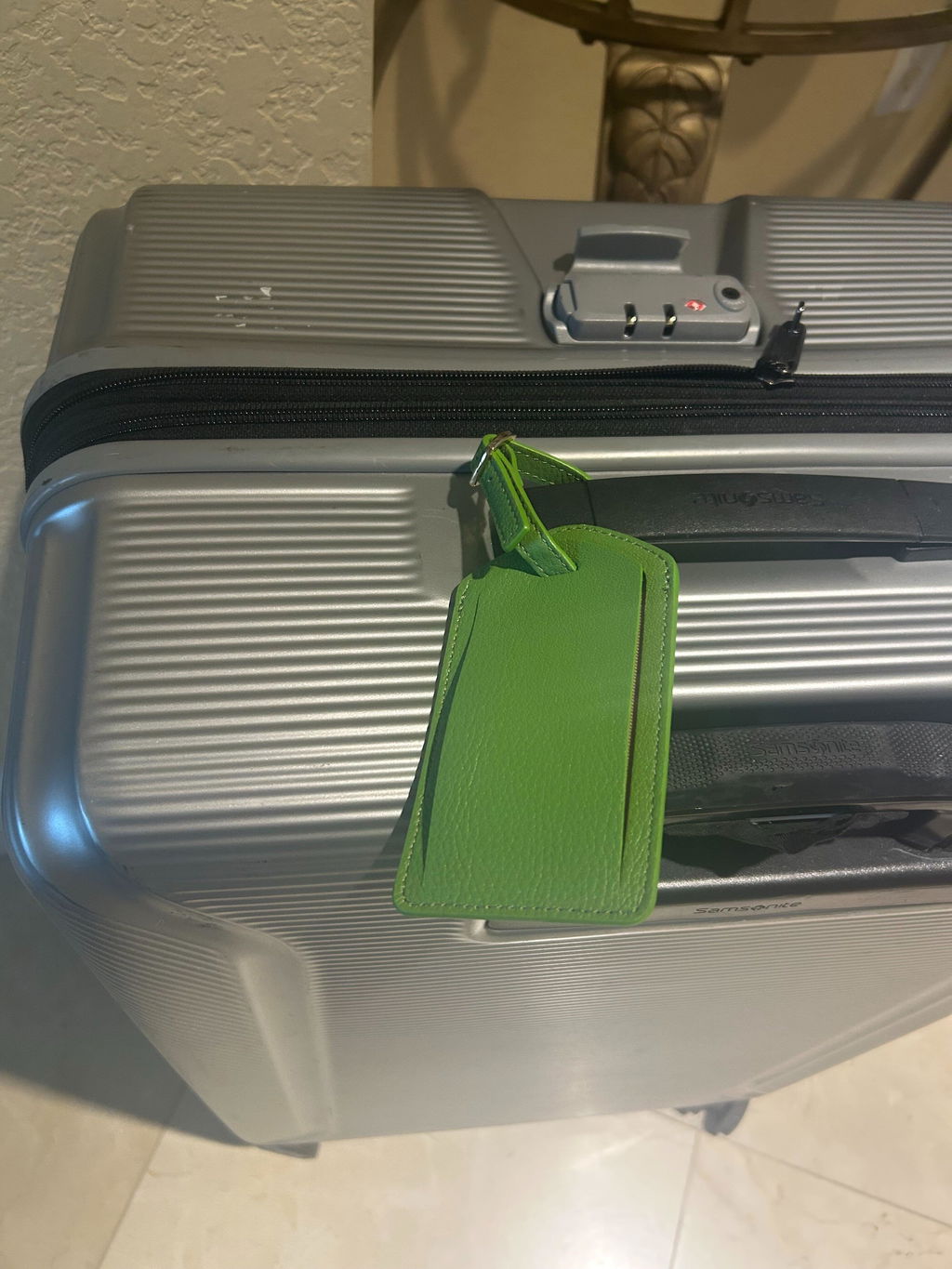
- Luggage tags
- Everyday accessories
Of course, full-grain leather does not mean indestructible.
Leather can still scratch, stain, dry out, fade, or become damaged. Stitching, hardware, lining, construction, and care are also important to the life of the finished product.
That's why we look at a leather product as more than simply the hide itself.
3. Full-Grain Leather Can Become More Beautiful With Use
This is one of the biggest differences between quality natural leather and many synthetic materials.
Rather than simply trying to remain unchanged forever, certain full-grain leathers develop character as they're used.
This aging process is often described as patina.
Depending on the type and finish of the leather, regular handling can gradually create changes in:
- Color depth
- Surface sheen
- Texture
- Creases
- Character around frequently touched areas
A travel wallet may begin to reflect years of trips. A work bag can develop subtle changes around its handles and corners. A Crazy Horse leather bag may show marks and color variations that contribute to its rugged appearance.
Not every full-grain leather develops patina in exactly the same way. The tanning process, oils, waxes, surface finish, color, use, environment, and care all influence how the material ages.
That's part of what makes natural leather interesting.
4. Every Piece Has Natural Character
Mass-produced synthetic materials can be engineered for a highly consistent surface.
Full-grain leather is different.
Because it comes from a natural hide and retains its grain, one section can vary subtly from another. Two bags made from the same leather may therefore have small differences in texture, grain, or coloration.
For customers who want absolute uniformity, that may not be an advantage.
But for customers who appreciate natural materials, those variations can make a leather product feel more individual.
Natural variation isn't something full-grain leather needs to hide. It's part of what identifies the material as natural leather.
5. Different Full-Grain Leathers Can Serve Different Purposes
“Full-grain leather” describes an important characteristic of the material, but it doesn't mean every full-grain leather looks or performs exactly alike.
Different hides, tanning methods, oils, waxes, finishes, thicknesses, and textures can create very different results.
For example, within Miami Leathers:
Our Crazy Horse leather products emphasize rugged character, visible color variation, and a vintage-inspired appearance that can become increasingly distinctive with use.
Used in our Cambridge Collection, this leather offers rich color variation and a more polished work-and-travel appearance while retaining the character of full-grain leather.

Used throughout parts of our Sophia Collection, pebbled leather offers a textured surface and a softer, more refined appearance suited to handbags, wallets, and everyday accessories.
The important point is that full-grain leather isn't one single look.
It can be rugged or refined, structured or softer, professional or casual.
6. The Value Is About More Than the Leather
A piece of premium leather by itself does not automatically make a great bag.
The finished product also depends on:
- Pattern and design
- Cutting
- Stitching
- Reinforcement
- Hardware
- Zippers
- Lining
- Edge finishing
- Pocket construction
- Strap attachment
- Quality control
This is especially important when comparing prices.
Two products can both claim to use full-grain leather and still differ considerably in construction, design, usability, and overall quality.
At Miami Leathers, our perspective comes from decades of manufacturing leather goods. We evaluate the leather as part of the whole product, not as a marketing term by itself.
7. Why Full-Grain Leather Usually Costs More
Several factors can contribute to the higher cost of full-grain leather.
Because more of the natural surface remains visible, hide selection matters. Natural characteristics cannot simply be hidden through extensive surface correction.
Quality leather also has to be selected appropriately for the product, cut carefully, and handled correctly during manufacturing.
For the customer, however, the more useful question isn't simply:
“Why does this cost more?”
It's: “What am I receiving for the additional cost?”
With a well-made full-grain leather product, that value can include:
natural material + durability + craftsmanship + long-term usability + distinctive aging character
That's a much better way to evaluate value than price alone.
8. Cost Per Use Can Matter More Than Purchase Price
Suppose one bag costs less but needs to be replaced frequently, while another costs more but remains useful for many years.
The lower-priced product isn't automatically the better value.
This is where cost per use becomes useful.
A durable work bag used hundreds of times may ultimately provide better value than a less expensive bag that sees limited use before replacement.
That doesn't mean everyone should buy the most expensive leather product available.
It means that when choosing something you expect to use frequently — particularly a work bag, travel bag, backpack, or wallet — longevity deserves to be part of the price comparison.
9. Proper Care Protects Your Investment
Full-grain leather is durable, but proper care still matters.
Simple habits can help extend the useful life and appearance of leather goods:
- Remove surface dust and dirt gently.
- Avoid soaking the leather.
- Allow wet leather to dry naturally away from direct heat.
- Keep it away from prolonged intense sunlight when storing.
- Use leather-care products appropriate for the specific leather and finish.
- Test cleaners and conditioners on a hidden area first.
- Store bags where they can breathe rather than sealing them in plastic.
- Avoid over-conditioning.
Different full-grain leathers can require different care, so always consider the particular finish before applying a cleaner or conditioner.
10. Is Full-Grain Leather More Sustainable?
I would handle this question more carefully than the old article did.
Natural leather and synthetic leather alternatives have different environmental impacts, and sustainability cannot accurately be determined simply by labeling one material “natural” and another “synthetic.”
Leather production involves livestock, tanning, water, chemicals, energy, transportation, and manufacturing. Synthetic alternatives also have their own material, manufacturing, durability, and end-of-life considerations.
One practical sustainability consideration is product longevity.
A durable product that remains useful for many years may reduce the frequency of replacement. For that reason, choosing well-made products, maintaining them properly, and using them for a long time can be an important part of more thoughtful consumption.
We would rather make that careful claim than simply tell customers that leather is automatically “eco-friendly.”
So, Is Full-Grain Leather Worth It?
For the right customer and the right product, we believe it can be.
Full-grain leather is particularly worth considering when you value:
- Long-term durability
- Natural materials
- Individual grain and texture
- Character that develops through use
- Quality construction
- Products designed for repeated everyday use
It may not be the right material for everyone.
Someone prioritizing the lightest possible bag may prefer nylon. Someone looking for a rugged but lighter work-and-travel bag may prefer waxed canvas. Someone who avoids animal-derived materials may prefer a vegan alternative.
The best material is the one that fits the product, its intended use, and the customer's priorities.
Why Miami Leathers Chooses Full-Grain Leather
Our preference for full-grain leather comes from experience rather than simply positioning.
For more than 35 years, our manufacturing background has centered on leather goods, including manufacturing for established brands.
After decades of manufacturing premium leather goods for other brands, we created Miami Leathers to bring that same craftsmanship directly to our own customers.
Today, full-grain leather remains at the center of many of our collections because it fits what we want our leather products to represent:
Quality materials. Practical design. Experienced craftsmanship. Honest value.
We don't believe a product needs a designer markup to demonstrate quality.
We believe the material, construction, functionality, and experience behind the product should speak for themselves.
Continue Learning
Full-Grain Leather 101: Understanding the Basics
Learn what full-grain leather is and how it differs from split leather, bonded leather, PU leather, and other materials.
Full-Grain Leather vs. Other Types of Leather
Compare full-grain, top-grain, split, genuine, bonded, and vegan leather before choosing a product.
Identifying Genuine Full-Grain Leather: Tips for Buyers
Learn what to look for when evaluating leather products and material descriptions.
Caring for Your Full-Grain Leather
Learn practical cleaning, conditioning, protection, and storage techniques.