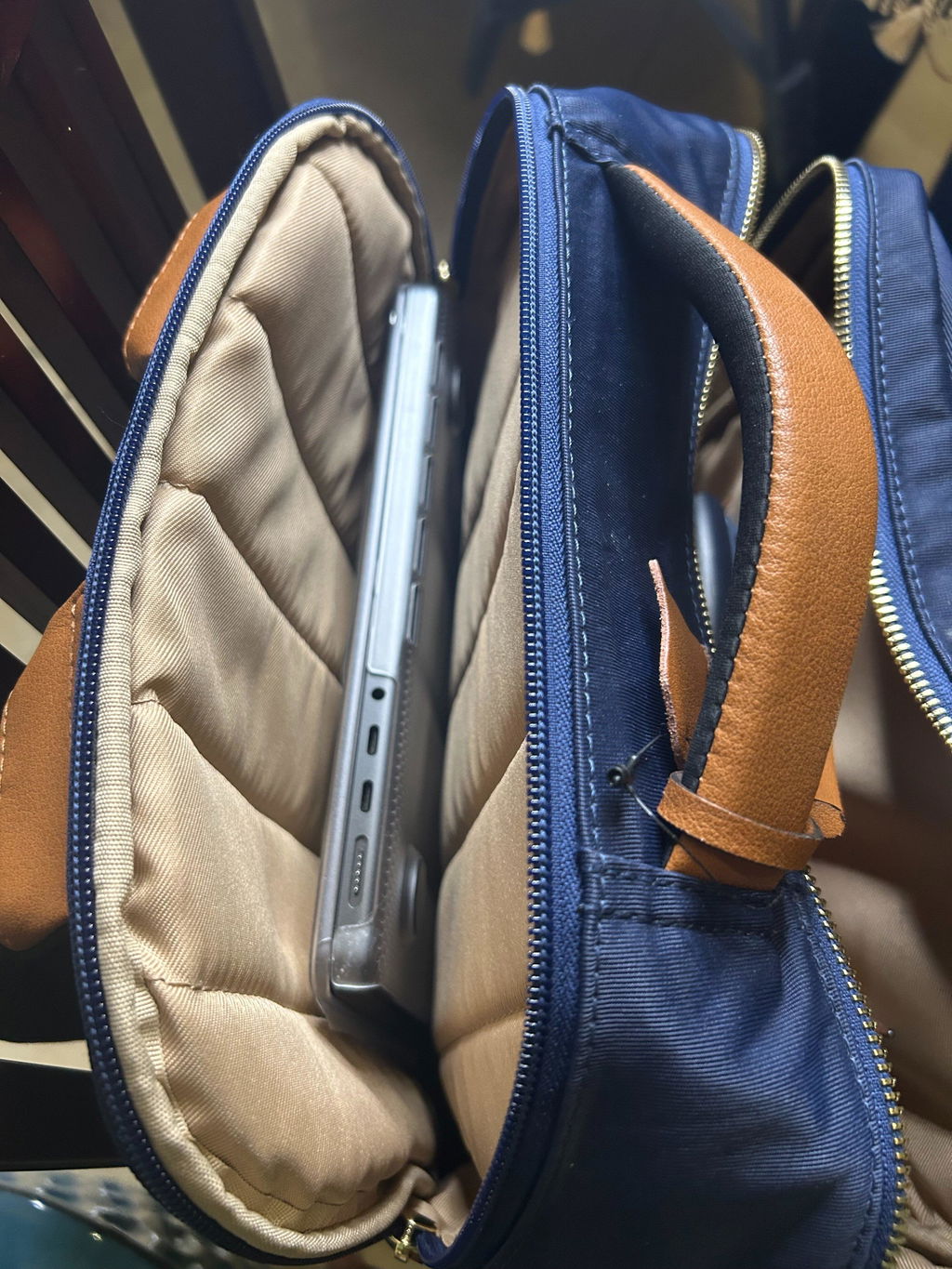
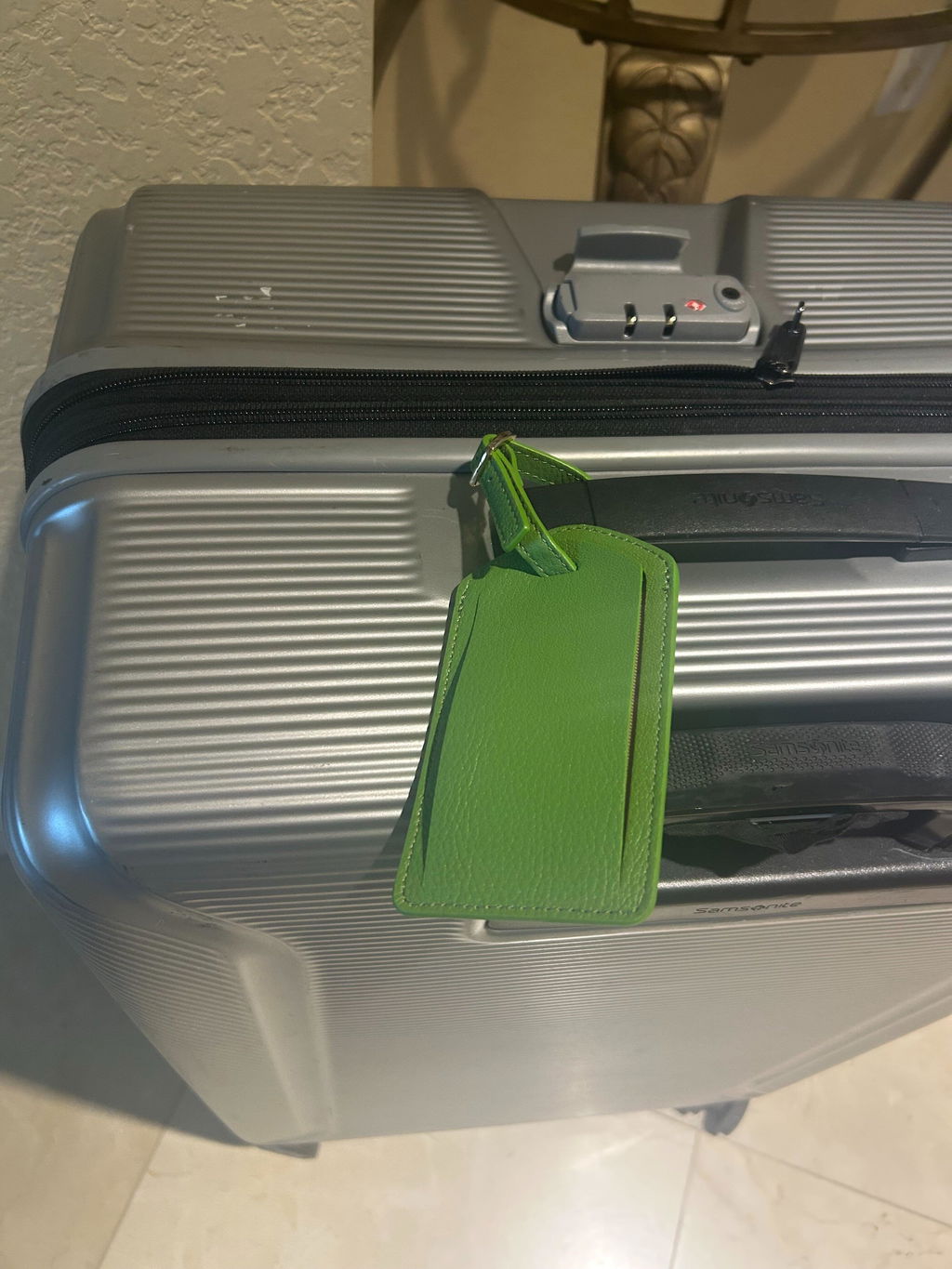
When you buy a full-grain leather bag, wallet, or travel accessory, you may notice something interesting: your piece may not look exactly like another piece made from the same leather.
The grain may be slightly different. One area may show more texture than another. The color may have subtle tonal variation. You may see wrinkles, creases, small marks, or changes in the surface that make your particular piece unique.
For many people accustomed to highly uniform synthetic materials, these variations can initially look like imperfections.
But with full-grain leather, natural variation is often part of the material's character.
Understanding what is normal—and what may actually indicate a manufacturing defect—can help you better appreciate what you're buying.
What Makes Full-Grain Leather Different?
Full-grain leather retains the natural grain surface of the hide rather than having that surface heavily sanded or corrected to create a more uniform appearance.
Because the natural surface remains, the leather can retain variations that reflect the original hide as well as differences created through tanning, dyeing, finishing, cutting, and handling.
Depending on the particular leather, you may see:
- Natural grain variation
- Wrinkles and creases
- Subtle differences in texture
- Small surface markings
- Variations in color or tone
- Differences in grain from one section of a bag to another
These characteristics are one reason natural leather can have greater visual depth than a perfectly uniform manufactured surface.
No Two Hides Are Exactly Alike
Leather begins as a natural material.
Just as no two pieces of wood have exactly the same grain, no two hides have exactly the same surface characteristics.
Even different sections of a single hide can vary.
One area may have a tighter grain. Another may have more visible texture. Some sections may be smoother, while others show more natural variation.
The tanning and finishing process can reduce or emphasize these differences, but full-grain leather is generally selected in part because the natural grain surface remains.
This means two bags made from the same leather can be clearly related in color and style while still not being visually identical.
Natural Variation Is Not the Same as Poor Quality
This distinction is important.
A customer might see a wrinkle, grain variation, or tonal change and wonder whether something is wrong with the leather.
Often, nothing is wrong at all.
Characteristics such as subtle wrinkles, natural grain differences, or tonal variation can be normal features of full-grain leather.
In fact, trying to eliminate every natural surface variation would require more correction, coating, or surface treatment—the opposite of what many customers appreciate about full-grain leather.
At the same time, “natural leather” should never be used as an excuse for poor workmanship or genuine damage.
A natural characteristic and a manufacturing defect are not the same thing.
Natural Character vs. Actual Defects
Normal leather variation may include:
- Grain differences
- Small natural markings
- Wrinkles
- Creases
- Subtle color variation
- Tonal changes in pull-up leather
- Surface marks characteristic of waxed or oiled leather
An actual product problem may include things such as:
- Broken stitching
- Damaged hardware
- A defective zipper
- Structural tearing
- Poorly secured handles or straps
- Significant unintended surface damage
- Construction problems that affect normal use
The important distinction is whether you're seeing natural variation in the material or a problem with the product's construction or function.
Quality control still matters with full-grain leather.
Not Every Full-Grain Leather Looks Rustic
This is another common misconception.
People sometimes expect full-grain leather to look rough, heavily marked, or extremely rustic.
It doesn't have to.
Full-grain leather can be:
- Smooth
- Pebbled
- Polished
- Matte
- Soft
- Firm
- Structured
- Oiled
- Waxed
- Rugged
- Refined
A polished professional leather bag and a rugged Crazy Horse leather backpack can both be made from full-grain leather while looking completely different.
The appearance depends on the hide, tanning process, dyes, oils, waxes, finishing techniques, and the intended style of the finished product.
Why Color Can Vary
Color variation is particularly noticeable in some natural leathers.
Leather does not always absorb dyes, oils, and waxes with perfect uniformity. Differences in the grain and fiber structure can contribute to subtle variations in the finished color.
This can be especially noticeable in brown, tan, cognac, and other natural-looking shades.
Lighting also matters.
The same leather may appear different under:
- Daylight
- Indoor lighting
- Warm lighting
- Cool lighting
- Camera flash
- Different computer or phone screens
For this reason, a leather product's actual color may vary somewhat from photographs or from another item made from the same leather.
Pull-Up Leather Has Its Own Character
Pull-up leather is a particularly good example of why variation shouldn't automatically be considered a flaw.
This type of leather contains oils and waxes that move within the hide when the leather is bent, stretched, or handled.
As the oils shift, some areas can temporarily become lighter, producing characteristic tonal variation.
Over time, handling can create additional changes in color and appearance.
Rather than trying to maintain a completely uniform surface, pull-up leather is appreciated partly because of the depth and character created by these changes.
Our Cambridge Collection is a good example of the polished character possible with full-grain pull-up buffalo leather.

Crazy Horse Leather Is Designed to Evolve
Crazy Horse leather takes this idea even further.
Despite the name, Crazy Horse leather is not made from horsehide. It generally refers to leather treated with oils and waxes to create its characteristic rugged, distressed appearance.
Handling, bending, and rubbing can create lighter and darker areas, scratches, and tonal variation.
These changes contribute to the vintage character of the material.
A new Crazy Horse leather bag may therefore continue to change noticeably as you carry it.
For customers who enjoy leather that develops an increasingly personal appearance, this is part of its appeal.
Our Crazy Horse Collection showcases this more rugged side of full-grain leather.

Pebbled Full-Grain Leather Offers a Different Look
Pebbled full-grain leather presents another personality entirely.
Its textured surface can create a softer, more refined appearance while helping make everyday surface marks less visually prominent.
Depending on the leather and finish, colors can also appear rich and vibrant.
Our Sophia Collection demonstrates how full-grain leather can have a very different character from rugged Crazy Horse or dark brown pull-up leather while still retaining the qualities we value in full-grain leather.
This is why it's misleading to think of full-grain leather as having one particular “look.”

What Is Patina?
You'll frequently hear the word patina when people discuss quality leather.
Patina refers broadly to the changes in appearance that can develop as leather is handled and used over time.
Depending on the leather, this can include:
- Increased sheen
- Deepening or changing color
- Softening
- Creases
- Tonal variation
- Small marks from use
- Changes around handles and frequently touched areas
Not every full-grain leather develops patina in exactly the same way or to the same degree.
The leather's tanning and finishing process strongly influences how it ages.
And patina doesn't appear overnight. It develops gradually through actual use.
Your Bag Can Tell the Story of How You Use It
One reason people become attached to natural leather goods is that the material can become increasingly individual over time.
A travel bag may develop marks from trips.
A wallet may darken where it is frequently handled.
A messenger bag may soften where it rests against the body.
A leather backpack may develop creases around frequently opened compartments.
These changes are part of the relationship between a natural material and everyday use.
That doesn't mean leather should be neglected. Proper cleaning, storage, and appropriate conditioning still matter.
But the goal of leather care isn't necessarily to make a five-year-old leather bag look as though it has never been carried.
Should You Try to Remove Every Mark?
Usually, no.
Before treating a mark, first consider the type of leather.
On certain smooth finished leathers, a mark may warrant appropriate cleaning.
On pull-up or Crazy Horse leather, however, some scratches and tonal variations are part of the intended appearance.
Aggressively cleaning or conditioning every small mark can alter the finish more than the mark itself.
If you're unsure, start conservatively and follow care recommendations appropriate for that particular leather.
Our Full-Grain Leather Care Guide explains safe cleaning, conditioning, moisture protection, and storage in more detail.
Why Product Photos May Not Look Exactly Like Your Bag
This is particularly important when purchasing natural leather online.
Product photography shows a representative piece. Because leather is a natural material, the item you receive may have slightly different:
- Grain
- Texture
- Tonal variation
- Natural markings
- Color depth
That does not automatically mean you've received a different or lower-quality material.
Some variation is expected.
At Miami Leathers, we believe customers should understand this before purchasing rather than discovering it only after opening the package.
How Miami Leathers Looks at Natural Leather
Our perspective comes from more than 35 years of leather-goods manufacturing experience.
When working with full-grain leather, the objective isn't to make every square inch of every hide look artificially identical.
Instead, good leather-goods manufacturing requires understanding the material—selecting it appropriately, cutting it carefully, matching sections where necessary, and using the leather's characteristics to create a well-made finished product.
Natural variation and quality craftsmanship can—and should—exist together.
Embrace the Character, Not Poor Craftsmanship
The phrase “embrace imperfections” shouldn't mean accepting anything simply because leather is natural.
It means understanding the difference between the character of a natural material and an actual product defect.
Full-grain leather can show grain variation, wrinkles, tonal differences, creases, and natural markings while still being beautiful, strong, and appropriate for a quality leather product.
Those characteristics help distinguish natural leather from materials engineered for perfect visual uniformity.
And as the leather ages, your particular bag, wallet, or travel accessory may become even more individual.
That's part of the appeal.
Continue Learning
Full-Grain Leather 101: Understanding the Basics
Learn what full-grain leather is, how it is made, and how it differs from other leather types.
Identifying Genuine Full-Grain Leather: Tips for Buyers
Learn why appearance alone isn't enough to identify full-grain leather and what buyers should look for instead.
Full-Grain Leather vs. Other Types of Leather
Compare full-grain, top-grain, split, bonded, PU, vegan leather, and other common material descriptions.
Full-Grain Leather: Why It's Worth the Investment
Explore durability, craftsmanship, aging, and long-term value.
Caring for Your Full-Grain Leather Handbag: Essential Tips
Learn how to clean, condition, protect, and store different types of full-grain leather.